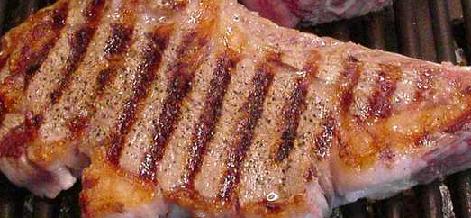
Protein is one of the most overlooked parts of a runner’s diet. The functions of protein include: 1) Helping in the repair of muscles and tendons after a hard race or workout, 2) Assisting the immune system by making antibodies to ward off infection, and, 3) Providing the body with a small source of energy. Here are a few pointers about protein.
How Much Protein to Build Muscle
According to the RDA (Recommended Daily Allowance, which is put together by the government) the average person should consume 0.4 grams per pound of body weight. How much protein is that? Well, for a 135 pound person, that would be about 54 grams a day. However, many other nutritionists believe that that number only applies to sedentary people. Most say that runners need to consume between 0.5-0.75 grams of protein per pound of body weight. Applied to our 135 pound example, that would be around 67 – 101 grams of protein. To put this in simple terms, you probably need to be eating more protein.
Amino Acids
When scientists break down protein, they see that it is made up of amino acids. Amino acids are the building blocks of the human body. One of the main functions of protein is to supply us with 20 different types of amino acids. These 20 types are categorized into two groups, which include 11 nonessential and 9 essential amino acids. The nonessential variety simply means that the body can produce these acids on its own. The essential acids, however, can not be produced by the body and have to be obtained from the food we eat. These amino acids are what makes protein such an important and essential part of our diet.
Where To Find Protein
Protein is found primarily in meats, fish, poultry, eggs, and milk. While it is true that many of these sources are high in fat, it would be a huge mistake not to eat them. The secret is to eat a well balanced diet. Go ahead and eat that hamburger, but don’t eat 5 of them.
Whey Protein, Protein Shakes and other Supplements
Runners probably do not need to worry about buying whey protein, protein shakes and other protein supplements from nutritional companies. Although these protein supplements could have some benefits for running muscles, runners can get all of the protein they need from eating a well balanced diet with meat, eggs, etc. The main concern with protein shakes and powder is that they could contribute to weight gain if over-used – excess protein in the body can be stored as fat. The bottom line is that although strong muscles are important to runners, any benefits will be nullified if there is excessive weight gain. It’s better to save your money and eat a balanced diet to ensure that you receive the benefits of the functions of protein.
Creatine
Creatine is an amino acid which supplies energy for short bursts of muscle power. From this definition, it seems clear that Creatine does not do a whole lot to help the long distance runner; “short bursts of muscle power” has little to do with running a 5k. Therefore, while some studies suggest that Creatine may help
athletes like sprinters or body builders, those benefits don’t extend to runners. As long as a runner eats of balanced diet of meats, eggs and poultry, they don’t have to worry about supplementing their diets with muscle building products from nutritional companies.
Back to Nutrition