After my last post, I got few questions from readers asking what I meant when I referred to the “base building” phase of training. To answer this, let me give a very brief history of running training theories.
In the early 20th century, the common idea was that one had to train fast to get race fast. Therefore, coaches focused almost exclusively on hard, short track workouts. It did not seem rational to have runners run long distances every week if the longest track race was only 6 miles.
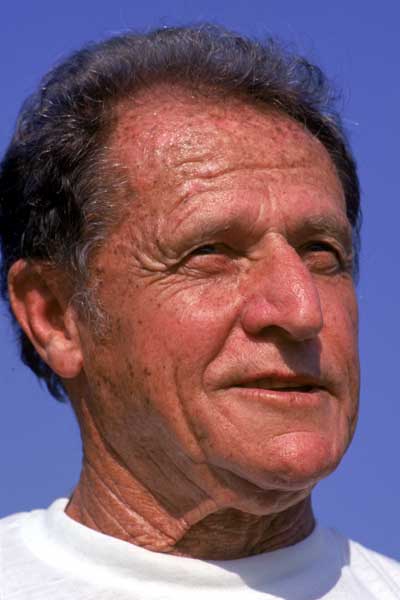
This idea was challenged by the famous coach Arthur Lydiard
This training philosophy led to enormous success for Lydiard’s now famous athletes, including Peter Snell, Rod Dixon, and Lasse Viren (who beat Steve Prefontaine in the legendardy 1972 Olympic 5k final).
Perhaps the most critical phase of Lydiard’s system was the first: base training. Lydiard had each of his athletes run over 100 miles a week, even 800 meter runners. He felt that no matter the distance, a runner had to develop his aerobic system to realize his true potential.
Although initially criticized, Lydiard’s system has found wide acceptance, and modern training theories are generally built on a foundation of Lydiard’s ideas. For example, modern coaches such as Jack Daniels
The bottom line is that in order to reach your potential, you must lay a foundation of solid mileage before beginning workouts.